Dry Chemical Pre-Engineered Systems
The Most Experienced And Knowledgeable Staff Members

This ensures that every fire sprinkler installation is completed professionally and with as few issues as possible.
Some fire hazards require fast suppression in a defined space. Water may not be the right option, and a standard sprinkler system may not respond as required by the hazard requires. Dry chemical pre-engineered systems are designed for these conditions.
A dry chemical fire suppression system uses a stored powder agent to suppress fire by interrupting the chemical reaction. These systems are often used around industrial equipment, paint booths, fuel areas, mechanical hazards, and other spaces where fast fire control is needed.
Columbia Fire installs, inspects, services, and repairs dry chemical fire suppression systems for facilities across Washington and Northern Idaho. Our team works with building owners, facility managers, contractors, and industrial teams to help keep systems ready for use and aligned with code requirements.
Fire Risks in Industrial and Equipment-Based Environments
Industrial spaces often contain equipment, materials, or processes that increase fire risk. These areas may involve flammable liquids, fuels, coatings, heat-producing machinery, or enclosed equipment where a fire can grow quickly.
A dry chemical system fire suppression setup may be used when a facility needs targeted protection for a specific hazard. These systems are commonly found in spaces where a fire could affect production equipment, ventilation systems, or nearby building areas.
Common applications include:
- Paint booths
- Fuel handling areas
- Mechanical equipment spaces
- Industrial machinery
- Dip tanks
- Flammable liquid storage areas
- Chemical processing areas
- Manufacturing equipment
- Spray finishing operations
- Vehicle service areas
Each space has its own fire risks. The system must be selected, installed, and maintained based on the hazard it protects.
How a Dry Chemical Fire Suppression System Works
A dry chemical fire suppression system stores the agent in a pressurized cylinder or tank. When the system activates, the agent moves through discharge piping and exits through nozzles placed over the protected hazard.
The agent helps suppress fire by interrupting the fire reaction. Depending on the application, the system may be activated by heat detection, mechanical detection, electrical detection, or a manual pull station.
The process may include:
- Detection of heat or fire conditions
- System activation through automatic or manual release
- Discharge of dry chemical agent through nozzles
- Agent coverage over the protected hazard
- The equipment shuts down when connected to the system
- Alarm or monitoring signal when required
Some property teams refer to the discharge nozzle as a dry chemical sprinkler head or dry chemical fire sprinkler. In most systems, these are agent discharge nozzles rather than water sprinkler heads. Their placement is important because the agent must reach the hazard area correctly.
Components of a Dry Chemical Pre-Engineered System
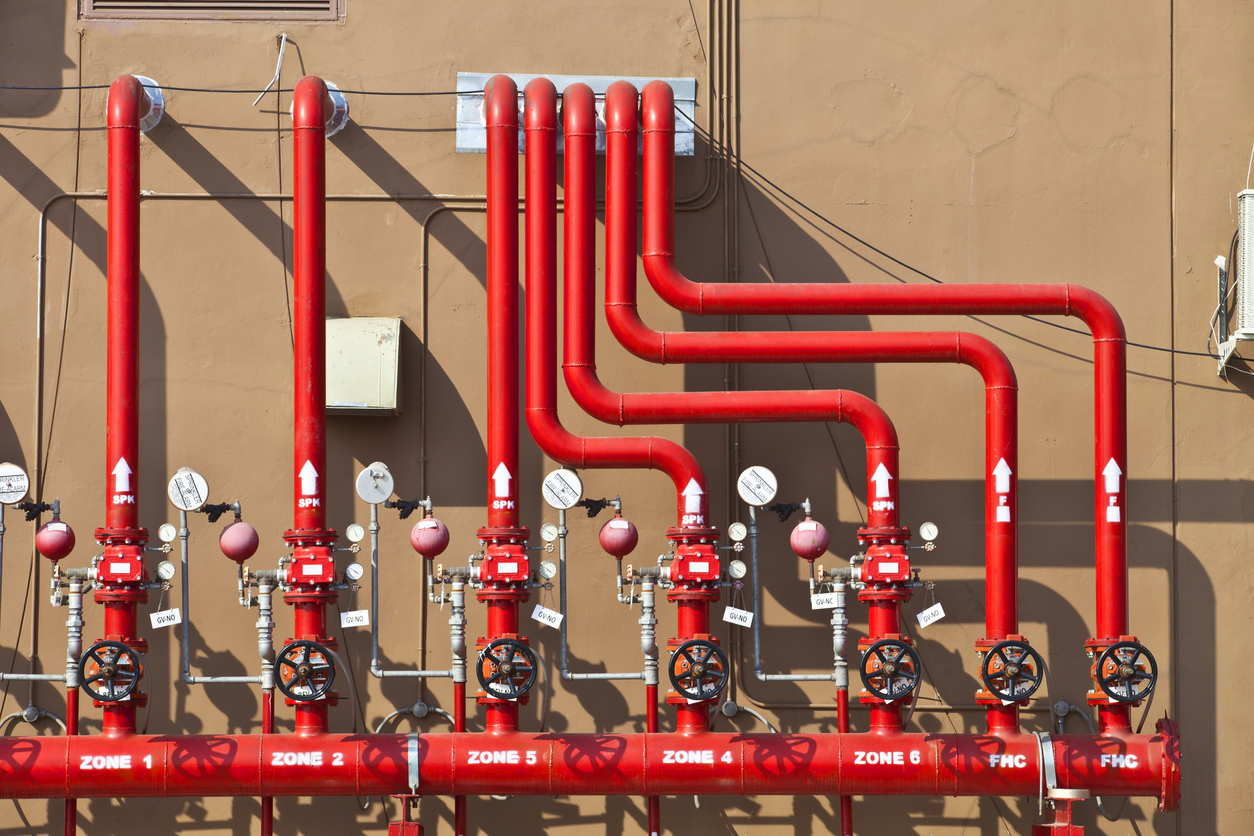
A pre-engineered dry chemical fire suppression system includes several parts that work together during activation. Each component must match the system design and manufacturer requirements.
Common system components include:
- Agent storage cylinder
- Dry chemical suppression agent
- Detection devices or fusible links
- Discharge piping
- Discharge nozzles
- Manual pull station
- Release mechanism
- Equipment shutdown connection
- Alarm or monitoring connection
- System signage and service tags
The exact setup depends on the equipment, layout, hazard type, and manufacturer’s system design. Facilities may have Kidde dry chemical fire suppression systems, Badger industrial dry chemical fire suppression system equipment, or another approved system type.
Installation of Industrial Dry Chemical Fire Suppression Systems
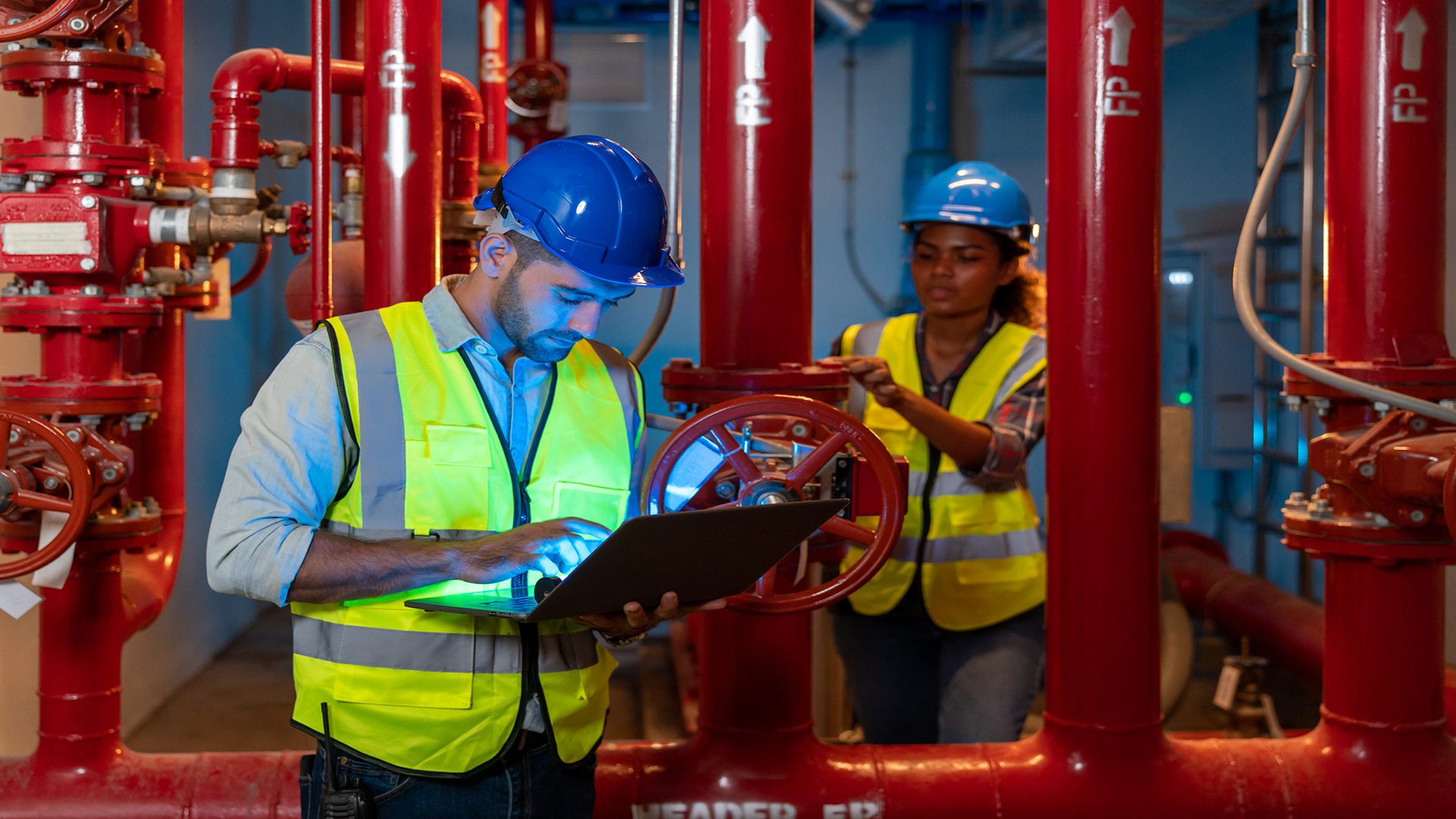
Installing industrial dry chemical fire suppression systems requires careful planning. The system must protect against the hazard without creating coverage gaps. Nozzle placement, piping layout, detection location, and shutdown connections all affect system performance.
Installation work may include:
- Reviewing the protected hazard
- Confirming equipment layout and dimensions
- Selecting the right dry chemical agent
- Planning nozzle locations
- Installing piping and agent cylinders
- Connecting detection and release devices
- Tying the system into the equipment shutdown when needed
- Testing activation sequence
- Preparing system documentation
In paint booths, spray areas, and industrial equipment, layout changes can affect system coverage. If equipment is moved or replaced, the dry chemical fire suppression system’s paint booth layout may need to be reviewed before the system remains acceptable for service.
Columbia Fire works with facility teams and contractors to install dry chemical systems that match the protected area and meet applicable requirements.
Inspection and Maintenance for Dry Chemical Fire Suppression Systems
Dry chemical fire suppression systems need routine inspection and maintenance to remain ready. Over time, cylinders, detection parts, nozzles, piping, and release components can be affected by age, vibration, dirt, equipment changes, or environmental conditions.
Inspection and maintenance services may include:
- Checking cylinder pressure and condition
- Inspecting agent storage components
- Verifying nozzle placement and condition
- Checking piping for damage or blockage
- Testing manual pull stations
- Inspecting detection devices
- Reviewing release mechanisms
- Confirming equipment shutdown connections
- Checking service tags and records
- Reporting deficiencies for correction
Routine service helps reduce the chance of system failure. It also helps facility managers maintain records for inspectors, insurance reviews, and internal safety programs.
Dry Chemical Fire Suppression System Repairs
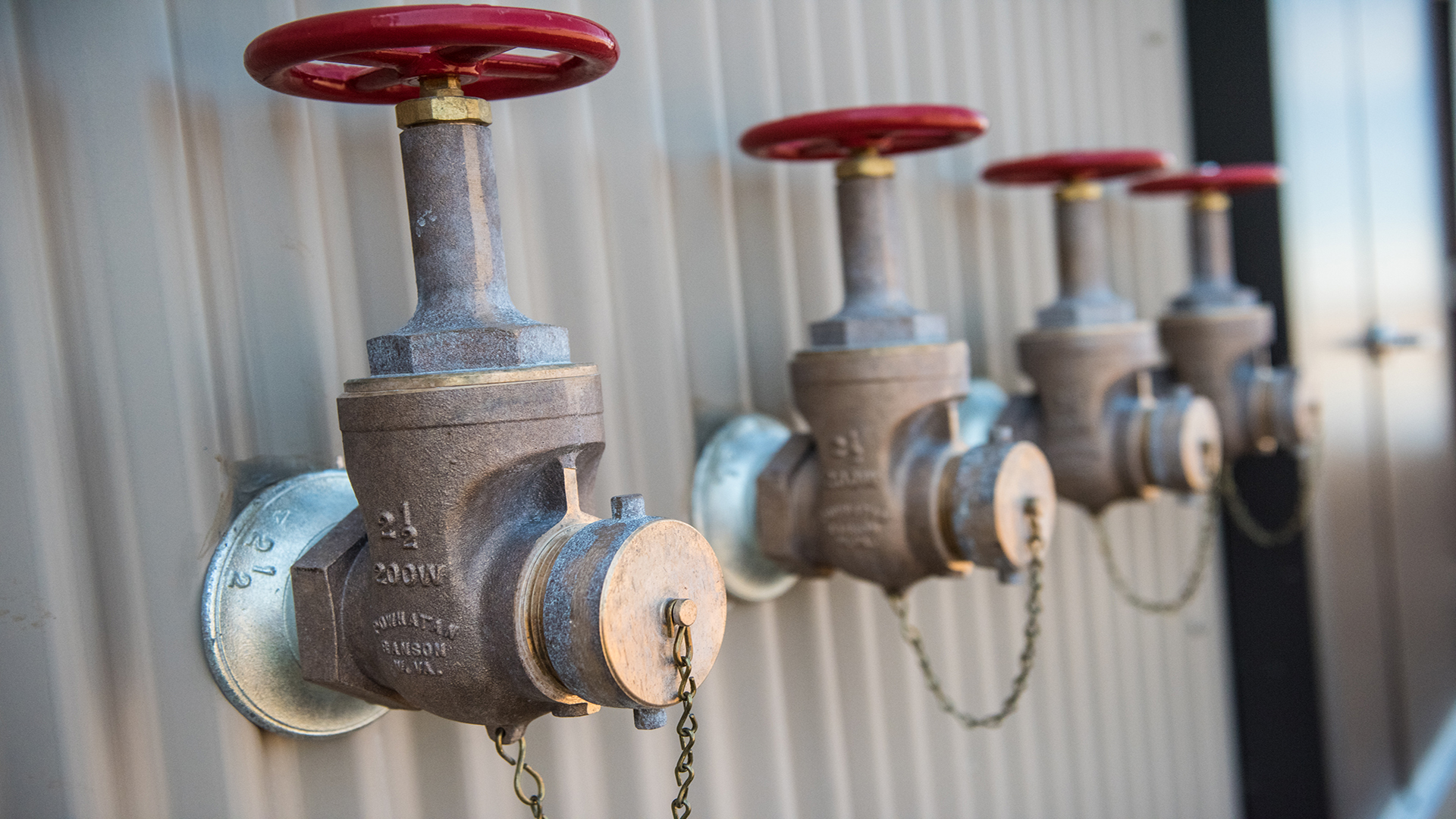
A dry chemical system may need repair when components wear out, the system shows a trouble condition, or the protected equipment is replaced. Repairs should be completed promptly because the hazard may persist during daily operations.
Common repair needs include:
- Replacing damaged nozzles
- Repairing discharge piping
- Replacing detection links or devices
- Correcting release mechanism issues
- Addressing cylinder pressure problems
- Reconnecting shutdown controls
- Updating the system after equipment changes
- Replacing expired or damaged components
Columbia Fire technicians review the system, identify the issue, and complete the necessary repairs to restore protection. If a system no longer fits the hazard, our team can recommend the next step.
Where Dry Chemical Pre-Engineered Systems Are Used
Dry chemical pre-engineered systems are used in facilities where a specific hazard needs focused suppression. These systems are common in industrial, commercial, and equipment-heavy environments.
Common locations include:
- Manufacturing plants
- Paint booths and spray booths
- Auto body shops
- Industrial processing areas
- Fuel handling spaces
- Maintenance facilities
- Mechanical rooms
- Equipment enclosures
- Chemical storage areas
- Transportation facilities
A dry chemical fire sprinkler system may be requested by name, but the correct system type depends on the hazard, building use, and code requirements. Columbia Fire can evaluate the area and help determine whether dry chemical fire suppression is suitable.

Dry Chemical Systems and Special Hazard Fire Protection
Dry chemical systems are part of special-hazards fire suppression. These systems are used when a standard system may not be sufficient for the hazard, or when the protected area requires a specific agent and discharge pattern.
A complete protection setup may also include detection, alarm signaling, equipment shutdown, and monitoring. These parts help the system respond correctly and alert the right people when activation occurs.
Dry chemical suppression may be selected for:
- Fast fire response in a defined hazard area
- Industrial equipment protection
- Flammable liquid fire risks
- Paint booth and spray operation hazards
- Locations where water-based suppression is not preferred
Columbia Fire helps facility teams understand how dry chemical fire suppression fits into their larger fire protection plan.
Why Work With Columbia Fire
Dry chemical fire suppression systems require correct installation, regular service, and clear documentation. Columbia Fire supports facilities that need dependable fire protection for industrial hazards and equipment-based risks.
Our team provides:
- Dry chemical system installation
- Inspection and testing
- Repair and maintenance
- Support for pre-engineered system layouts
- Service for industrial and commercial facilities
- Code compliance documentation
- Service across Washington and Northern Idaho
We work with building owners, facility managers, contractors, and safety teams to help keep fire suppression systems ready for use.
Request Dry Chemical Fire Suppression Service
A dry chemical fire suppression system can help protect industrial equipment, paint booths, fuel areas, and other defined hazards. Proper installation and regular service help ensure the system responds when needed.
Columbia Fire provides installation, inspection, maintenance, and repair services for dry chemical pre-engineered systems. Our team can review your facility, inspect your current system, or help plan a new installation.
Contact Columbia Fire to schedule service or request a quote.